How Radiologists Work Behind the Scenes to Support Your Care
Most patients never meet the radiologist who reads their scan. You check in, a technologist positions you for the MRI or CT, and a few days later your doctor calls with results. The person who actually interpreted your images rarely enters the conversation. Here's who that person is, what they actually do with your scan, and how their work reaches your doctor.
What Is a Radiologist?
A radiologist is a physician who specializes in interpreting medical images. That includes X-rays, CT scans, MRIs, ultrasounds, and mammograms. Radiologists complete four years of medical school, then a four to five year residency focused entirely on reading and interpreting imaging. Many, including every radiologist at NVRA, go on to earn board certification, which requires passing rigorous exams and maintaining ongoing education throughout their career.
Radiologist vs. the Technologist Who Scans You
The technologist is the person you actually interact with during your visit. They operate the equipment, position you correctly, and make sure the images come out clear. The radiologist is the physician who reviews those images afterward, looking for anything that explains your symptoms or confirms your doctor's suspicion. Both roles matter, but they're different jobs done by different people.
Radiologist Board Certification Requirements
Board certification means a radiologist has passed exams set by the American Board of Radiology and continues to meet ongoing education requirements. It's the standard that separates a general practitioner from a specialist trained specifically to catch what a scan reveals. At NVRA, all 11 of our radiologists hold this certification, and NVRA was the first ACR-accredited Diagnostic Imaging Center of Excellence in Connecticut.
What Happens to Your Scan After the Appointment?
Once your scan is finished, the real work of diagnosis begins. Here's what actually happens to your images between your appointment and the call from your doctor.
Reading and Interpreting Your Scan
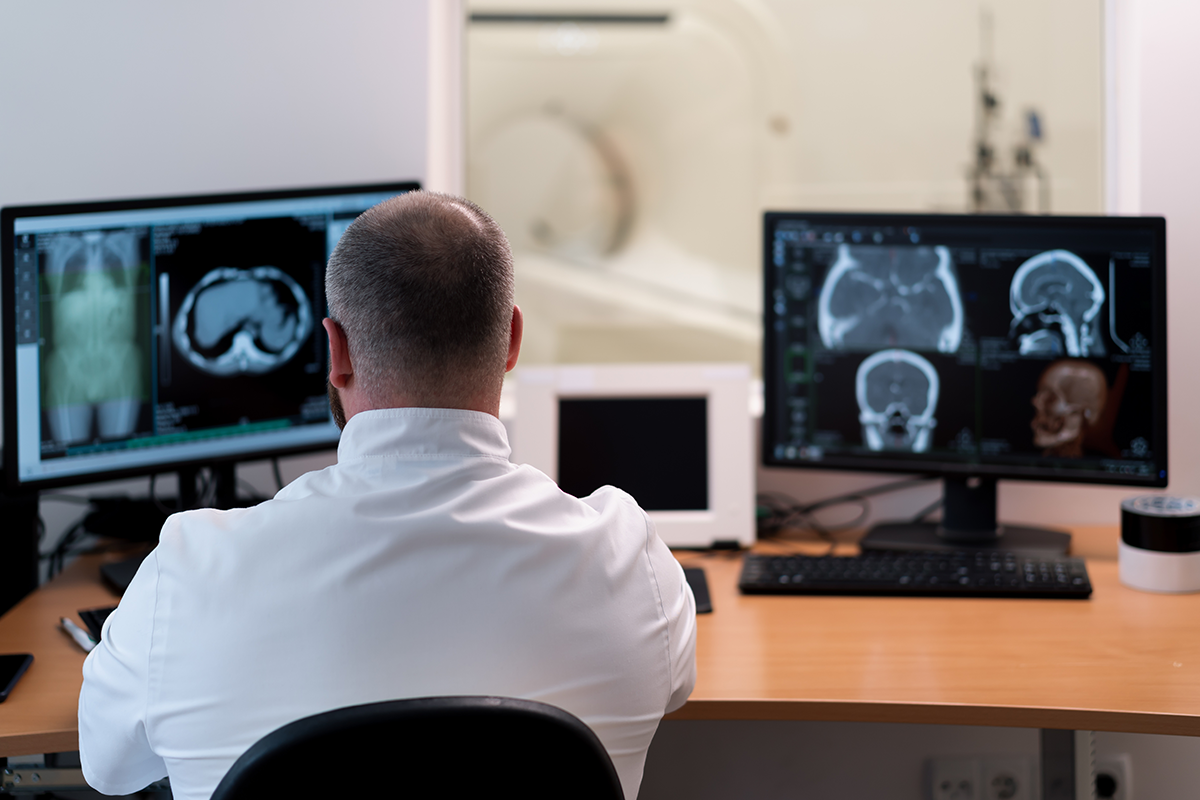
Once your images are captured, the radiologist reviews every slice. An MRI or CT scan can produce hundreds of individual images, and the radiologist examines each one for anything abnormal: a fracture, a mass, inflammation, or a change from a prior scan. A single study takes real, focused time to interpret, not a quick glance across the images.
Comparing Your Results to Prior Imaging
When you've had imaging done before, the radiologist compares your new scan to the old one. A finding that's stayed the same for years reads very differently than one that just appeared. This comparison often changes how urgently a doctor needs to follow up, and it's a step that only happens because a radiologist took the time to look back.
Flagging the Findings Your Doctor Needs to Know
The radiologist's job is to identify what matters most in your results and communicate it clearly to your doctor, not simply catalog everything visible on the scan. If something requires immediate attention, radiologists have processes in place to alert your physician right away rather than waiting for a routine report to go out.
How Radiologists Work With Your Doctor
A radiologist's findings only help you once they reach the physician who ordered your scan in the first place. That handoff happens through a formal report and, when needed, a direct conversation between doctors.
Sending a Detailed Report to Your Physician
After reviewing your images, the radiologist writes a formal report describing the findings, comparing them to any prior imaging, and offering an impression of what the results mean. That report goes directly to the doctor who ordered your scan, giving them the information they need to explain your results and plan next steps.
Consulting on Complex or Unclear Cases
Some cases aren't straightforward. When a finding is ambiguous or unusual, radiologists often consult with each other or with the referring physician directly to work through what the images show. This collaboration happens quietly, but it directly shapes the diagnosis you eventually receive.
Why Does It Matter Who Reads Your Scan?
The person reading your scan determines what your doctor finds out, and how quickly. A board-certified radiologist's review shapes your diagnosis, as well as how confident you feel in the result.
Faster, More Accurate Diagnoses
A radiologist's interpretation is what turns a set of images into an actual diagnosis. Their training lets them catch details a non-specialist would miss, which can mean identifying a problem earlier and starting treatment sooner.
Confidence in the Care You're Receiving
Knowing that a board-certified physician personally reviewed your scan, not just a technologist or an algorithm, can make the waiting period between your appointment and your results easier to sit with. Your care depends on more than the equipment. It depends on the expertise of the person reading what that equipment produced.
The Radiologists Behind Your Care at NVRA
Every scan performed at NVRA is read by a physician who meets the same standard described above, at every location and at a price that doesn't put that expertise out of reach.
Board-Certified Radiologists Across Waterbury, Prospect, and Southbury
NVRA's 11 board-certified radiologists work across our three Connecticut locations, reviewing everything from routine X-rays to complex MRI and CT studies. Every scan performed at any of our locations goes through this same level of expert review.
Expert Interpretation, Backed by Affordable Self-Pay Imaging
NVRA offers self-pay imaging options that make accurate, expert-reviewed diagnostic care accessible. If you have an imaging order from your doctor or want to learn more about your options, our team can walk you through pricing and scheduling.